Most quotes aren't lost on price. They're lost to silence.
A customer asks three businesses for a quote. All three send one. Two of them never follow up. The third sends a friendly check-in two days later, answers a question, and gets the job. Often they weren't the cheapest. They were just the one who stayed in the conversation.
Here's the follow-up sequence we set up for trades and service businesses, with the exact wording you can copy.
Why one message isn't enough
When a customer gets your quote, they're usually not ready to decide on the spot. They want to compare, check with a partner, or look at their budget. Then life gets in the way and your quote sinks in their inbox.
A follow-up isn't pushy. It's helpful. It reminds them you're keen, gives them an easy way to ask questions, and puts a gentle deadline on the decision. Most owners don't follow up because they feel awkward or simply forget, which is exactly why doing it consistently is such an advantage.
The 3-message sequence
Day 1: send the quote, plus a human note
Send the quote however you normally do, then a short personal message the same day:
"Hi [first name], thanks for having us out today. Your quote's just been emailed through. If anything doesn't make sense or you'd like to change the scope, just reply here. [Your name]"
This does two things. It confirms the quote arrived, and it opens a channel they can reply to easily.
Day 3: the check-in
"Hi [first name], just checking the quote came through OK and made sense? Happy to jump on a quick call if you've got any questions. [Your name]"
Keep it short. You're not selling, you're making it easy to say yes or ask a question.
Day 7: the gentle deadline
"Hi [first name], we're locking in our schedule for the next few weeks. Want us to hold a spot for you? If the timing's not right, no worries, just let me know. [Your name]"
This is the one that gets the most replies, because it gives them a reason to decide now. It also gives them permission to say no, which is useful too. A clear no is better than a quote sitting in limbo.
Use a real reason in the day 7 message. "We're booking January jobs now" or "Prices from our supplier go up on the 1st" works far better than a made-up deadline.
SMS or email?
Send the quote itself by email, because it's a document people want to keep. Send the follow-ups by SMS. A text gets read within minutes, and it's much easier to reply "yes, go ahead" from a phone than to open a PDF and write an email.
What to do when they don't reply
After the third message, stop chasing. Move them to a "quoted, no reply" list and check in once more in four to six weeks with something useful, like a seasonal reminder or a short note that you have availability. A surprising number of jobs come back months later.
How to automate it so it happens every time
Writing these messages is easy. Remembering to send them on day 3 and day 7, for every quote, while you're on the tools all day, is the hard part. That's what automation is for.
In a CRM like GoHighLevel, the setup looks like this:
- When a quote is sent, the contact moves to a "Quoted" stage in your pipeline.
- That stage starts the follow-up sequence automatically.
- If the customer replies or accepts, the sequence stops, and you get a notification.
- If they don't, the contact moves to a long-term follow-up list after day 7.
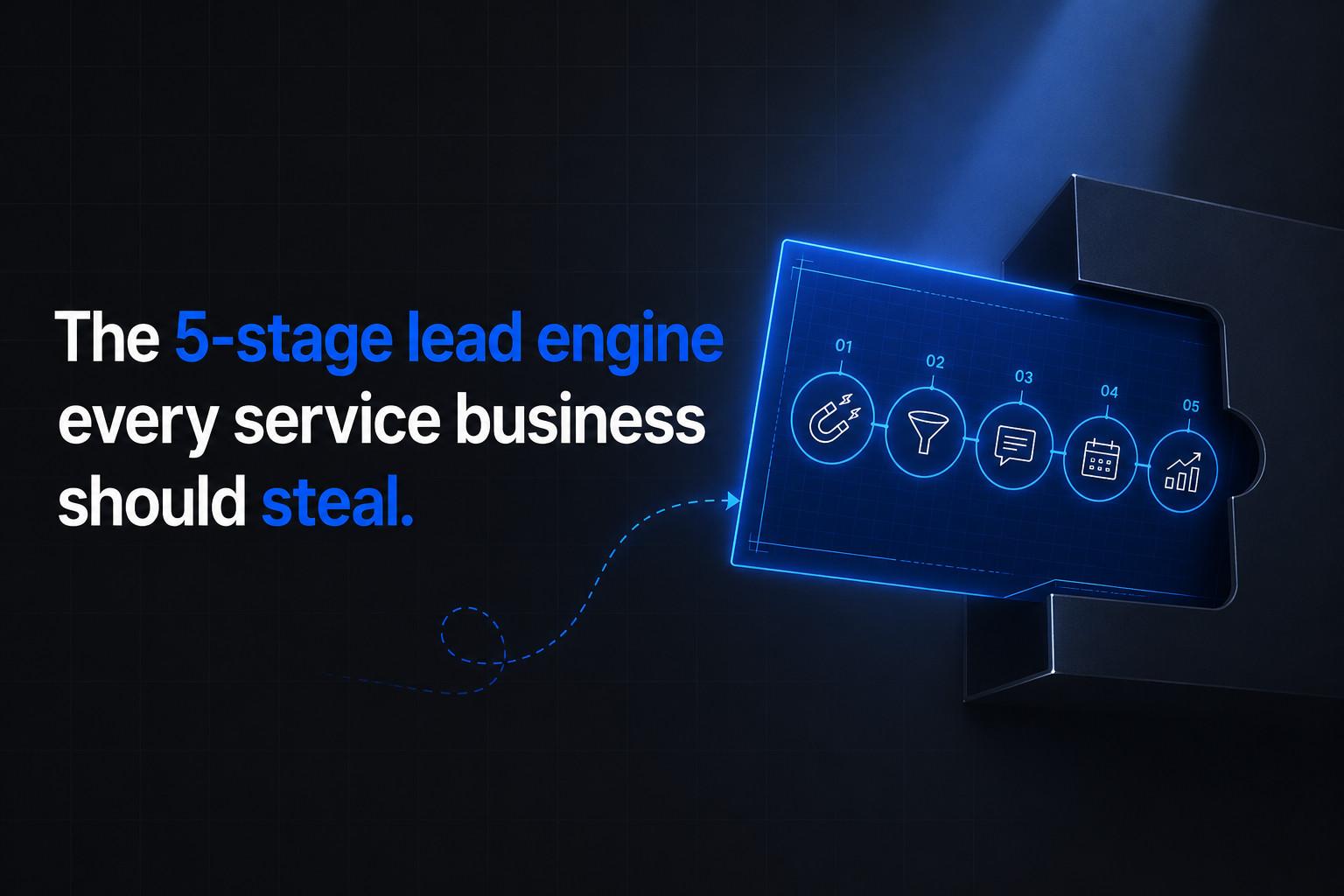
Once it's running, every quote gets the same follow-up, whether you sent it on a quiet Tuesday or the busiest week of the year. It's one of the five parts of the system we describe in the 5-stage lead engine, and the full version for trades businesses is in AI for Gold Coast tradies.
Where AI fits in
The three messages above work as plain templates. Where AI helps is in the replies. When a customer comes back with "Can you do it for less if we skip the second coat?", an AI assistant can draft a sensible reply in seconds, which you check and send. You stay in control, and nobody waits half a day for an answer.
Start with the next quote you send
You don't need new software to try this. Save the three messages in your phone's notes and send them by hand for your next five quotes. You'll see the difference in your win rate quickly. Once it's proven, automate it.
If you'd like a hand setting up the automated version, book a free 30-minute consultation and we'll show you how it would work in your business.
Builds CRM, automation and AI systems for Australian service businesses at Basic Solutions. Gold Coast-based, allergic to messy spreadsheets.